

Quantum for all: Waterloo's team leading open source compute
Fri, 10th Oct 2025
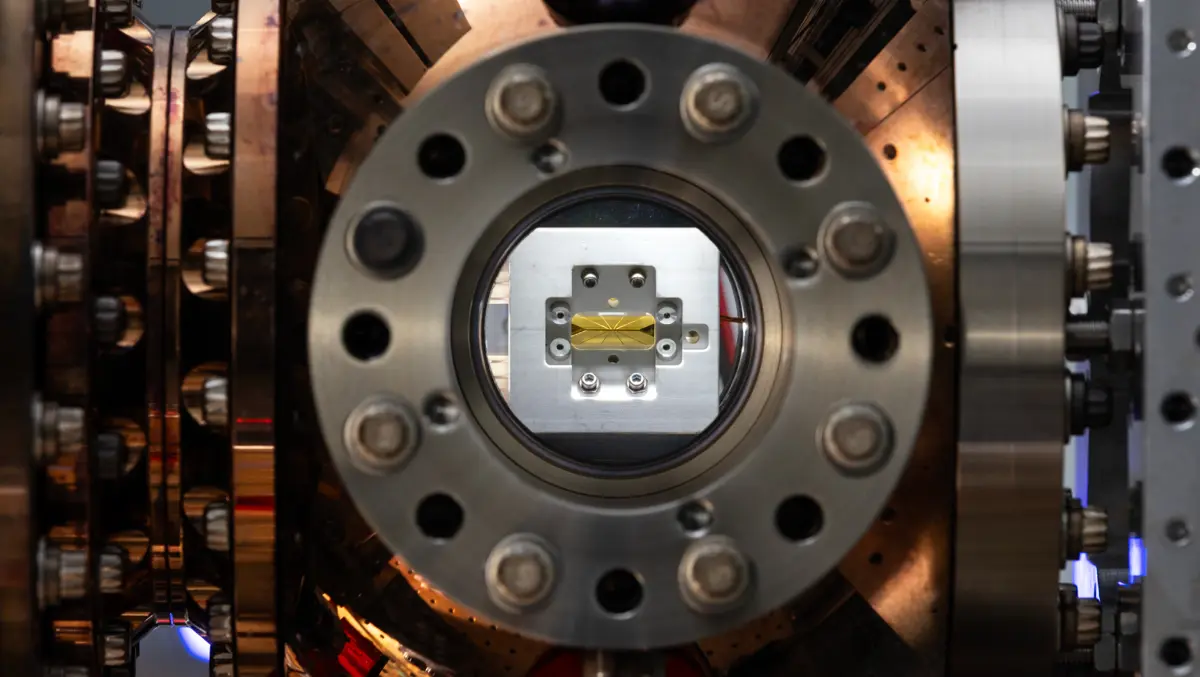
Waterloo's Open Quantum Design (OQD) is building the world's first open-sourced, full-stack quantum computer using trapped ion technology, right in Ontario's tech hub.
Co-founder Roger Melko, professor in the University of Waterloo's Physics and Astronomy department, is also the Scientific Lead at the Perimeter Institute Quantum Intelligence Lab. Alongside Associate Professors Crystal Senko, Rajibul Islam, and Chief Executive Officer Greg Dick, the organisation is leading the charge in their vision to harness quantum tech.
The unique premise of OQD is its open-sourced platform. The intellectual property, developed by the Institute for Quantum Computing and Perimeter Institute's Quantum Intelligence Lab, will be available under an Apache 2.0 license. The idea is to foster community collaboration for an optimal result, says Melko. Large companies such as IBM and Google are creating quantum technologies with proprietary designs, while their devices still require expertise to understand.
"They still require quite a bit of expertise in order to really understand what they're giving you. We launched open source, certainly to kind of democratise the technology and to allow anyone to see how the sausage is made right to the base level of the stack."
Although the Perimeter Institute has been operational since 1999, the OQD was formed in February 2024.
The Linux Foundation model of open-source networking inspired the team. The organisation is bringing together various partners, including universities, governments, and academic and industry players.
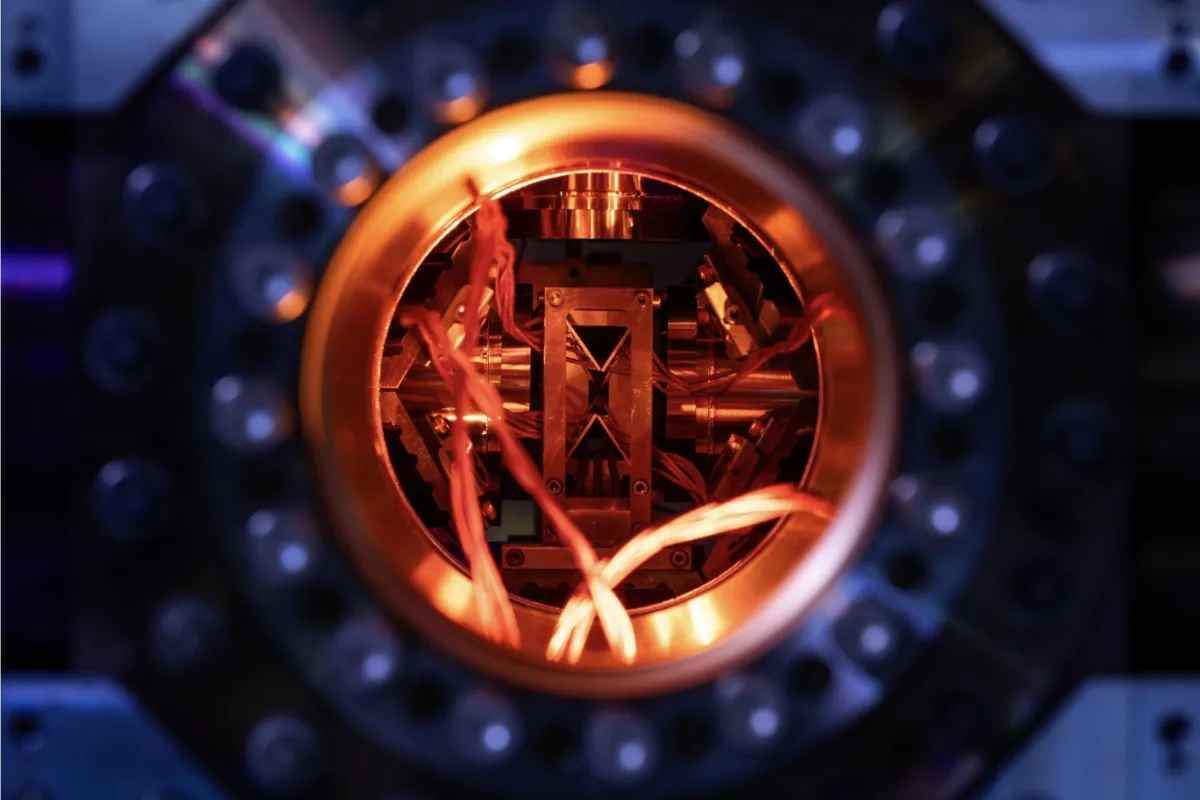
Melko says all these representatives can play within the same sandbox. This model has proven helpful with Xanadu, for example, a key member of a Toronto-based quantum computing company. Their computer has a significantly developed, complex software stack, which came in handy for compiling Xanadu's software down into the OQD's hardware.
"Ultimately, we will be able to program this machine remotely over the cloud. So what it's composed of is all of these designs, open quantum design is really the idea that we've released the Computer-Aided Design files, the procedures [and] FPGA software."
While quantum computing has been around academia for decades, Melko says the corporate side of quantum computing is a recent trend that has skyrocketed.
"I just think a lot of, I guess, different forces have combined to put [the industry] in a position where we think that there's going to be rapid changes. And people often draw parallels to AI right now - I distinctly remember years and decades of kind of slower academic progress before hitting that hockey stick moment and things really took off."
According to McKinsey's Quantum Technology Monitor report for 2025, after surging investment and accelerated innovation, the quantum market could reach $100 billion in 2035. Both public and private faith in innovation has led to an increase in funding.
Melko says the AI boom is enabling the development of the quantum computer. Large language models have proven capable of solving problems once thought unsolvable, such as image generation or voice replication. He believes modern AI algorithms, like those used in LLMs, will speed up the development of quantum computers, implementing them into the control stack.
"Imagine just floating an atom in place for seconds or minutes, or hours. That's hard enough, but now we have to shoot in lasers at certain pulses... All of that requires a huge amount of sophisticated software control," says Melko.
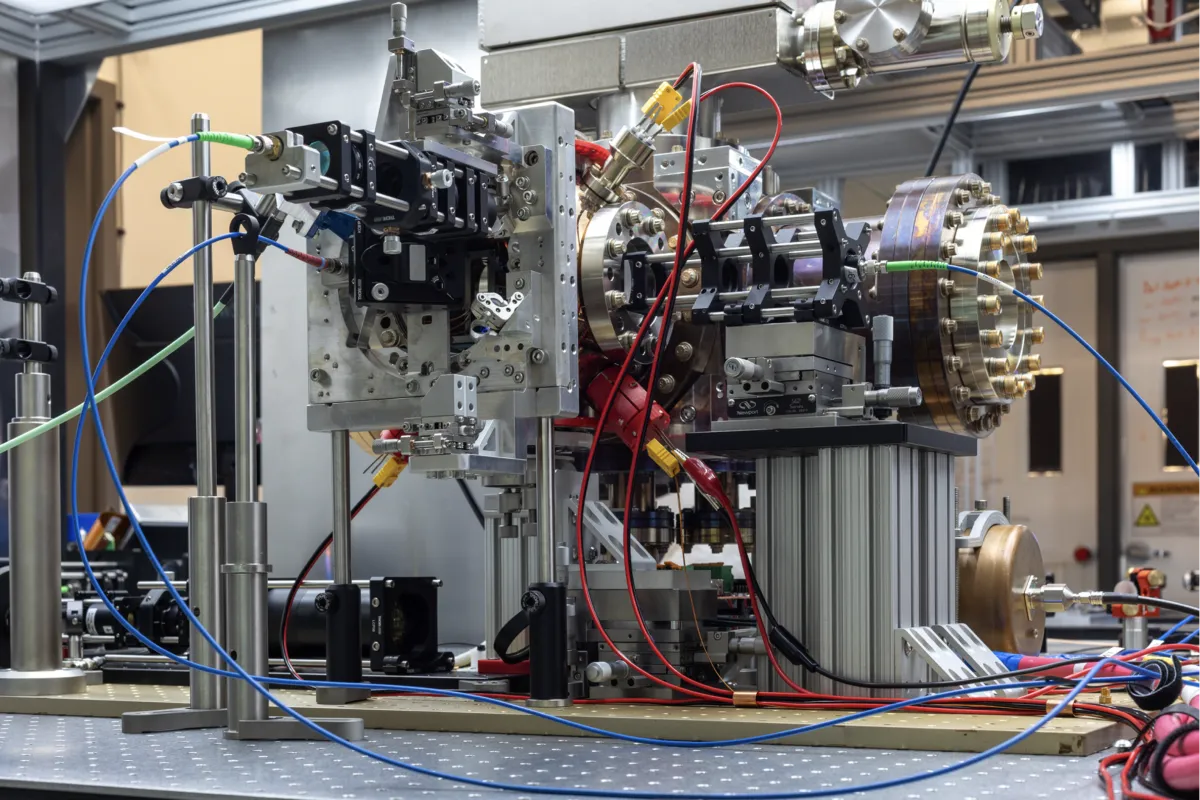
The organisation's future focuses on the next iteration of the quantum computer, while the previous iteration is being developed. As one approaches completion, the designs are bootstrapped, and another iteration is being built.
Melko says there are prototypes ready right now in the basement of the Institute for Quantum Computing; these will be version zero. Those prototypes, predating the formation of the OQD, were the basis of studies applied to the upcoming version one, which is set to go online this year. Meanwhile, version two will be based on the first version, with the computers designing themselves, so to speak.
While quantum is complex, the OQD's goal is simple.
"It's to build the best quantum computer in the world. We're going to build the technically best machine."