Resilience stories
AI adoption is forcing Canadian organisations to upgrade cloud and data systems, with 64 per cent saying it has already driven modernisation.
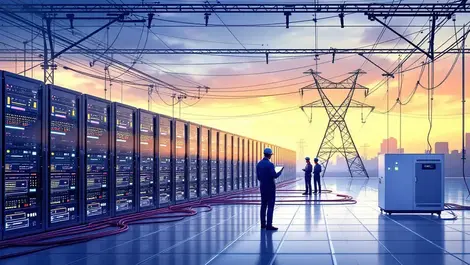
With US data centre demand straining grids, the system is being pitched as a cleaner way to secure backup power and speed new capacity.
Weak identity controls are leaving banks, airlines and public networks exposed to far more damaging failures than last week's outages.
Enterprises will need to keep file data available across mixed systems and cloud services as AI workloads and always-on operations raise the stakes.
Lower claim counts may mask successful intervention, as cyber insurers increasingly stop incidents escalating before they become formal losses.
Regulated European firms can now run AI workloads and modernise legacy systems on infrastructure that keeps data and operations inside the region.
Retail technology providers are under pressure to harden platforms against cyberattacks, as trust and compliance now shape retailer buying decisions.
It gives regulated organisations tighter control over where data and AI models run, as sovereignty concerns move up the agenda in Australia.
Organisations are expected to judge digital projects by whether they keep services secure, accessible and running when pressure hits, not by novelty alone.
Racks are already pushing 50-100kW, forcing operators to redesign cooling, power and build methods for AI workloads.
By 2027, enterprises may shift high-volume AI workloads in-house to cut unpredictable API bills and reduce dependence on outside providers.
The twin wins highlight a shift towards campaigns tied to customer problems, with marketing now helping Com-X build pipeline and sales engagement.
The true price of modernising far-flung systems can rise sharply once travel, coordination and lost IT time are added to the bill.
Boards must ensure they can verify, replace and keep using outsourced AI systems as third-party providers now supply most key models.
Smaller suppliers may face tougher procurement checks as the UK bill pushes larger firms to prove stronger cyber controls and incident readiness.
Singapore businesses are rushing to prepare for autonomous AI, with 72% planning deployments across several operational areas, Deloitte says.
Enterprises risk outages if AI agents can act too freely, because operational resilience depends on clear authority, monitoring and rollback.
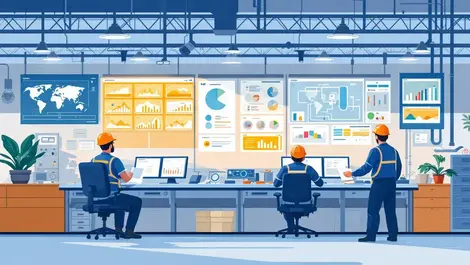
Control room staff are saving about two hours a day each as bespoke tools help Anglian Water respond faster to incidents and pollution risks.
Rising AI demand is forcing data centres to redesign power systems for faster load swings, tighter efficiency and near-perfect uptime.
Banks face pressure to prove AI pays off, as weak data access, quantum risk and tighter sovereignty rules test their resilience in 2027.